


Kenya’s tourism sector has recorded sustained growth under President William Ruto’s administration, with international tourist arrivals rising from 1,483,752 in 2022 to 2,792,875, tourism earnings reaching KES 564 billion from KES 268 billion in 2022, and hotel bed occupancy reaching 11,556,200 from 6,692,820. Domestic bed occupancy has reached 5,198,400, local MICE participation stands at 758,278 delegates, and international MICE participation has reached 38,705 delegates. These results reflect the implementation of a government tourism agenda anchored in the Bottom-Up Economic Transformation Agenda and focused on expanding the number of visitors entering Kenya, increasing tourism receipts and strengthening the sector’s contribution to employment, enterprise and foreign-exchange earnings.
President Ruto’s administration has pursued this growth through coordinated government action covering destination marketing, aviation connectivity, visitor facilitation, tourism infrastructure, product diversification, conferencing, conservation and development of new tourism circuits. The policy direction recognizes tourism as an economic sector with direct linkages to hospitality, transport, agriculture, trade, the creative economy and MSMEs, placing its expansion within the administration’s wider program of generating jobs, increasing incomes and expanding productive economic activity.
Tourism earnings have reached KES 564 billion under President Ruto
Tourism earnings have risen from KES 268 billion in 2022 to KES 564 billion, placing the sector among the important sources of foreign-exchange receipts and commercial activity under the administration. The increase represents an additional KES 296 billion in tourism earnings, generated through spending on accommodation, transport, food, excursions, conferences, entertainment, shopping and other services purchased during travel.
Government policy has focused on increasing the economic value of tourism through higher visitor traffic, stronger destination marketing, diversified tourism products and development of segments that generate additional expenditure within the country. International leisure travel, domestic tourism, conferencing, cruise tourism, sports tourism and cultural experiences now form part of the administration’s wider program for expanding the amount of economic activity generated through the sector.
- The additional KES 296 billion in tourism earnings represents expenditure entering the Kenyan economy through businesses serving visitors. Hotels, tour companies, transport operators, restaurants, attractions and other tourism enterprises receive this spending and procure the workers, goods and services required to deliver the visitor experience.
- Government has treated tourism receipts as part of the country’s foreign-exchange strategy. International visitors bring external spending into Kenya through accommodation, transport, food, recreation, conferences and retail purchases, supporting foreign-exchange inflows alongside the sector’s domestic economic activity.
- The administration has expanded the tourism proposition to increase the range of activities on which visitors spend during their stay. Culture, heritage, sports, adventure, gastronomy, conferencing and cruise tourism have been incorporated into government tourism development alongside Kenya’s established wildlife and coastal products.
International tourist arrivals have reached 2.79 million
International tourist arrivals have increased from 1,483,752 in 2022 to 2,792,875, adding more than 1.3 million international visitors to the volume recorded when President Ruto assumed office. The expansion has strengthened the customer base supporting Kenya’s accommodation establishments, tour operators, airlines, transport companies, attractions and other businesses serving international travelers.
The administration has pursued the increase through international destination marketing, additional aviation connections, digital visitor facilitation and engagement with travel companies in priority source markets. Government agencies have also intensified promotion of Magical Kenya through international tourism exhibitions and partnerships intended to convert global destination visibility into actual bookings and arrivals.
- Government has strengthened the Magical Kenya brand in international markets through targeted promotion and travel-trade engagement. The strategy places Kenyan destinations before consumers, tour operators and travel agents responsible for influencing international travel decisions.
- The administration has pursued additional aviation connectivity to give international travelers practical access to Kenya. New and restored airline services have strengthened connections with Asia, Europe and the Middle East and expanded the networks through which international visitors reach Nairobi and Mombasa.
- Government introduced digital travel authorization as part of its visitor-facilitation program. The Electronic Travel Authorization system moved the authorization process online and established a digital framework for processing travelers before arrival.
Hotel bed occupancy has reached 11.56 million
Hotel bed occupancy has increased from 6,692,820 in 2022 to 11,556,200, reflecting the expansion in demand being experienced within Kenya’s accommodation industry. The additional occupancy generates revenue for hotels, lodges and resorts and creates procurement requirements across food supply, laundry, cleaning, maintenance, transport, technology and other services required to operate accommodation establishments.
The government has supported accommodation demand through the same interventions driving visitor traffic into the country, including international marketing, aviation expansion, conferencing, domestic tourism promotion, sporting events and development of additional destinations. Infrastructure investment serving tourism areas also supports hotel activity through improved movement of visitors, employees and supplies.
- Increased hotel activity strengthens employment across accommodation and hospitality services. Chefs, waiters, housekeepers, receptionists, technicians, security personnel, managers and other workers form part of the workforce required to serve occupied rooms and deliver hospitality services.
- Hotel procurement connects tourism activity with domestic production. Accommodation establishments purchase food, beverages, linen, furniture, cleaning products and operational supplies, creating demand across agriculture, manufacturing, distribution and other sectors.
- Government investment in destination access supports accommodation businesses located within tourism circuits. Roads, airports and other transport infrastructure influence visitor movement and strengthen the commercial environment in which hotels and tourism establishments operate.
Domestic tourism has reached 5.2 million bed occupancies
Domestic bed occupancy has reached 5,198,400, demonstrating the scale of the Kenyan market within the administration’s tourism program. Government promotion of domestic travel has strengthened an important source of demand for accommodation, attractions, restaurants, transport businesses and tourism experiences throughout the country.
Domestic tourism also supports the government’s objective of maintaining tourism activity across different travel periods because Kenyan residents travel for leisure, conferences, family events, festivals, sporting activities and other purposes throughout the year. The segment places tourism expenditure directly into the domestic economy and gives county destinations access to a large national consumer market.
- Government promotion of domestic tourism has encouraged Kenyans to experience destinations within their own country. National campaigns and destination marketing increase awareness of attractions and experiences available across the counties and support travel outside the principal international tourism circuits.
- Cultural festivals and sporting events have expanded the reasons for domestic travel. Visitors attending these events spend on accommodation, transport, food, entertainment and local products within host destinations.
- Development of additional tourism products supports domestic travel into different regions. Heritage, culture, adventure, gastronomy and nature-based experiences give counties additional products around which tourism activity develops.
Government has strengthened Kenya’s position in meetings and conference tourism
President Ruto’s administration has continued positioning Kenya as a destination for regional and international conferences, using the country’s diplomatic standing, conference infrastructure and hospitality capacity to attract meetings that bring delegates into the visitor economy. Local MICE participation has reached 758,278 delegates, while international MICE participation has reached 38,705 delegates.
Government has supported the segment through the hosting of major international gatherings, including the Africa Climate Summit, African Development Bank Annual Meetings and IDA for Africa Heads of State Summit. These events bring delegates, officials, technical teams and service providers into Kenya and generate demand for accommodation, conference facilities, transport, catering, event production and professional services.
- Government pursuit of international conferences brings high-volume organized travel into Kenya. Delegations require accommodation, meeting venues, transport and catering, creating concentrated demand across the hospitality and service industries.
- Local conferences sustain domestic business travel and hotel activity. Meetings involving Kenyan institutions, businesses and professional organizations generate accommodation, catering, transport and event-service expenditure within host destinations.
- Kenya’s international events strengthen destination visibility among business and professional travelers. Delegates experience the country directly during official travel, giving the tourism industry access to visitors whose initial reason for entering Kenya originates outside conventional leisure travel.
The administration is expanding tourism activity across Kenya’s counties
Government tourism policy under President Ruto has placed product diversification at the center of efforts to develop destinations across the country. Culture, heritage, adventure, sports, gastronomy, eco-tourism and community experiences are being incorporated into Kenya’s tourism offering, giving counties additional assets around which visitor activity and local enterprise develop.
The approach aligns tourism development with the Bottom-Up Economic Transformation Agenda through economic activity generated at destination level. Accommodation providers, guides, transport operators, restaurants, artisans, performers and other local enterprises participate in visitor expenditure when tourism products attract travelers into their areas.
- Cultural and heritage tourism places community assets within the national tourism offering. Heritage sites, festivals, museums and cultural experiences generate visitor activity around Kenya’s history, traditions and communities.
- Adventure and sports tourism are expanding the range of destinations marketed to travelers. Hiking, motorsport, athletics, cycling, water sports and outdoor experiences connect tourism activity with landscapes and events located across different regions.
- Community and eco-tourism connect tourism development with conservation areas and rural destinations. Conservancies, community experiences and nature-based attractions support tourism activity in areas whose principal visitor assets are wildlife, landscapes and local culture.
- Gastronomy tourism incorporates Kenyan food and agricultural products into the visitor experience. Restaurants, food events and culinary experiences create another tourism product linked directly to Kenyan producers and hospitality businesses.
The Government Interventions Driving Kenya’s Tourism Surge
President William Ruto’s administration has implemented a deliberate tourism growth program anchored in the Bottom-Up Economic Transformation Agenda, with government action focused on attracting international visitors, opening new source markets, improving access to destinations, developing additional tourism products and increasing the economic value generated from every visitor entering the country. Tourism has consequently become an important component of the administration’s foreign-exchange, employment, investment and enterprise agenda, supported through destination marketing, aviation connectivity, visitor facilitation, infrastructure development and targeted development of emerging tourism segments.
Government investment has accompanied this policy direction, with the tourism budget increasing from KES 10.114 billion in FY 2022/23 to KES 12.899 billion in FY 2023/24 and KES 14.458 billion in FY 2024/25. Actual expenditure reached KES 9.681 billion, KES 12.360 billion and KES 12.472 billion during the respective financial years, financing destination marketing, tourism development, training, regulation, research and the public institutions responsible for implementing the administration’s tourism program.
Government has intensified international marketing around specific source markets
The Ruto administration has strengthened the Magical Kenya brand through targeted international campaigns, travel-trade partnerships, digital promotion and participation in major tourism marketplaces. The strategy directs government marketing resources toward countries with established demand for Kenya and emerging markets showing strong potential for additional visitor traffic.
The United States delivered 306,501 visitors in 2024, Tanzania delivered 203,290, China delivered 90,462, and Germany delivered 87,566, giving government agencies identifiable markets around which marketing campaigns, airline partnerships and travel-trade engagements have been organized. China recorded particularly strong momentum, with arrivals increasing from 61,377 in 2023 to 90,462 in 2024, while Tanzania increased from 161,157 to 203,290 during the same period.
- Government has strengthened direct engagement with international tourism buyers through the Magical Kenya Travel Expo, which targeted 5,000 participants in 2024 following participation by more than 3,000 delegates in 2023. The expo gives Kenyan hotels, tour operators and destination businesses direct access to overseas travel companies responsible for developing itineraries, contracting accommodation and selling holiday packages in international markets.
- Kenya took 45 tour operators, travel agents and hotel owners to ITB Berlin in 2025 as part of government efforts to convert international promotion into commercial business for Kenyan tourism enterprises. Germany had supplied 87,566 visitors in 2024, giving the delegation direct access to buyers operating within an established source market.
- Government marketing has increasingly incorporated digital channels that reach prospective visitors during travel planning and booking. Digital campaigns strengthen the visibility of Kenyan destinations within international consumer markets and support travel-trade activity undertaken through airlines, tour operators and tourism exhibitions.
Government has secured additional international air access into Kenya
The administration has pursued expanded aviation connectivity because destination marketing requires sufficient airline capacity to translate international demand into physical arrivals. Engagement with international carriers has strengthened Kenya’s connections with Asia, the Middle East and Europe, with AirAsia X, flydubai and Brussels Airlines forming part of the additional connectivity secured during the period of tourism expansion.
AirAsia X established the Nairobi–Kuala Lumpur connection, giving Kenya direct access to Southeast Asia and supporting government efforts to develop Asian source markets. flydubai strengthened connectivity through Dubai and expanded access to Mombasa, while Brussels Airlines restored its Nairobi service and strengthened access through its European network.
- Government engagement with international airlines has opened additional routes through which targeted source markets reach Kenya. The Nairobi–Kuala Lumpur connection supports the administration’s Asian market strategy, while Dubai and Brussels provide extensive onward networks serving numerous countries targeted through Kenya’s international tourism promotion.
- Expanded international access has strengthened the country’s principal tourism gateways, with Jomo Kenyatta International Airport handling 1,622,745 international tourists in 2024 and Moi International Airport handling 204,538. These gateways connect international marketing activity with tourism businesses operating in Nairobi, the Coast and tourism circuits served through domestic connections.
- Direct international access to Mombasa supports the government’s Coast tourism program by bringing visitors closer to Diani, Watamu, Malindi and other coastal destinations. International services into Mombasa generate business for accommodation establishments, tour operators, transport providers and attractions across the coastal tourism circuit.
Government has digitized and continuously refined visitor entry procedures
The Kenya Kwanza administration introduced the Electronic Travel Authorization system in January 2024, shifting travel authorization onto a digital platform and allowing required passenger information to be processed before departure. The reform formed part of the government’s program to facilitate international travel while maintaining advance immigration and security screening.
Cabinet subsequently directed improvements to the eTA system following implementation experience and stakeholder feedback, placing travel facilitation within the government’s broader tourism competitiveness program. Cruise passengers have also received tailored multiple-entry arrangements suited to itineraries involving movement between vessels and destinations during Kenyan port calls.
- Digital authorization has moved a key part of the entry process online and enabled travelers to complete requirements before arriving in Kenya. The system integrates travel facilitation with advance passenger screening and gives government a digital framework capable of processing international travelers before entry.
- Government reviews of the eTA framework have addressed operational issues identified during implementation. The continuing refinement recognizes entry procedures as part of the visitor experience and an important component of Kenya’s ability to attract international travelers.
Government infrastructure investment has improved access to tourism destinations
The Ruto administration has integrated tourism requirements into infrastructure development serving major destination corridors, including the Coast, Maasai Mara and northern Kenya. Improved roads and transport facilities support visitor movement while strengthening the supply chains, workforce mobility and investment environment required by hotels, attractions and tourism businesses.
The Dongo Kundu Bypass has strengthened connectivity between Mombasa and the South Coast, improving access toward Diani and reducing transport constraints within one of Kenya’s most important tourism corridors. The road also serves employees, suppliers and businesses operating within the wider coastal economy.
- Government investment in the Dongo Kundu corridor has improved access toward Diani and the South Coast tourism belt. Hotels and tour operators benefit from improved visitor transfers, while workers and suppliers gain improved movement within the same economic corridor.
- Infrastructure development serving tourism circuits supports the administration’s objective of opening additional destinations to investment and visitor traffic. Improved access strengthens the commercial viability of accommodation, attractions and tourism services in areas targeted for destination development.
Government has rebuilt cruise tourism into an active coastal segment
The administration has pursued cruise tourism through port investment, engagement with international cruise operators, destination promotion and passenger facilitation. Cruise arrivals reached 6,561 in 2024, having stood at 2,490 in 2023, giving the government a rapidly developing tourism segment with direct economic relevance to the Coast.
President Ruto received the Norwegian Dawn at the Port of Mombasa in February 2025, when the vessel arrived with 2,200 tourists and more than 1,000 crew members. During 2025, Mombasa and Lamu received 12 cruise ships carrying more than 15,000 visitors, strengthening the flow of cruise passengers into coastal attractions and tourism businesses.
- Government investment in the Mombasa cruise terminal has provided dedicated infrastructure for international cruise operations. The facility supports passenger processing and shore excursions while strengthening Kenya’s position within Indian Ocean cruise itineraries.
- Government development of Shimoni Port has expanded the geographical reach of cruise tourism into Kwale County. The arrival of SH Diana at Shimoni in October 2025 opened another coastal gateway serving marine, cultural and nature-based attractions.
- The administration is developing Mombasa as a cruise turnaround destination, increasing demand for services associated with passengers beginning and completing voyages in Kenya. Turnaround operations generate business for airlines, hotels, airport transfers, restaurants, transport companies, suppliers and tour operators before embarkation and after disembarkation.
Government has expanded Kenya’s tourism offering into new products and destinations
The Ruto administration has placed tourism product diversification within its national strategy by developing culture, heritage, sports, adventure, gastronomy, wellness, eco-tourism and community experiences rooted in local landscapes, history, culture and enterprise.
Cultural festivals, heritage attractions, sporting events and northern tourism products are being incorporated into national destination marketing and tourism development programs, giving counties identifiable products around which visitor activity can grow.
- Government is developing the Home of Human Origins Museum and Science Park at Namortunga Kalokol in Turkana as a flagship heritage and scientific tourism attraction. The project draws on the globally significant archaeological heritage of the Lake Turkana Basin and strengthens the tourism proposition of northern Kenya.
- The administration has incorporated cultural festivals into national tourism promotion, creating organized platforms through which communities showcase heritage, food, music, crafts and cultural experiences. These events attract visitors into host destinations and generate demand for accommodation, transport, food, guiding and local products.
- Government has used the WRC Safari Rally as an international sports-tourism platform that attracts competitors, officials, media teams and spectators into Kenya. The event generates hospitality and transport demand around Naivasha while international broadcasting carries Kenyan destinations to audiences in global markets.
Ronald Ngala Utalii College Powers the Workforce Behind Kenya’s KES 564 Billion Tourism Industry
Ronald Ngala Utalii College carries significance beyond the classrooms being opened at Vipingo. The institution places a national tourism-training investment inside Kilifi County and connects young people from the Coast and other parts of Kenya to an industry generating KES 564 billion in tourism earnings. The courses offered at the college prepare students for employment and enterprise in hotels, resorts, restaurants, travel companies, tour operations, conference facilities and cruise tourism, giving local communities a practical route into the economic activity generated by visitors.
The college was conceived in 1996 following government recognition that the Coast required dedicated tourism and hospitality training capacity. The project subsequently encountered funding constraints, procurement disputes, litigation, investigations and implementation delays. President William Ruto’s government has advanced its operationalization, with Tourism Principal Secretary Prof. Julius Bitok coordinating construction, equipping, academic preparation and student placement. Construction reached approximately 95 percent by the first week of September 2026, allowing the institution to begin serving the tourism industry and the communities surrounding it.
The local economic impact begins with access to professional skills. Tourism establishments along the Coast require chefs, receptionists, housekeepers, waiters, food and beverage supervisors, tour guides, travel consultants and hospitality managers. Many of these occupations provide entry points through which young people build careers within tourism. Ronald Ngala Utalii College brings this training closer to communities living within one of Kenya’s major tourism regions and creates a pathway from education into employment within the businesses operating around them.
- Five hundred students have already secured admission into an institution targeting 1,000 admissions by the end of October. The intake places young people in professional training linked to employment in tourism and hospitality, while the eventual 4,000-student capacity expands access to specialized skills for an industry serving millions of visitors every year.
- Thirteen KUCCPS programs give students several routes into the tourism economy. Training covers hospitality management, culinary arts, front office operations, food and beverage management, housekeeping, travel and tourism management, tour guiding, pastry and bakery and related certificate programs aligned with hotels, resorts, restaurants and tourism businesses operating within the region.
- The institution creates economic activity around Vipingo through employment, procurement and student services. A campus serving hundreds of students requires teaching, administration, catering, cleaning, security, maintenance, transport and supplies, while the professional kitchen and wider campus operations create demand for farmers, food suppliers and small businesses.
- Tourism training gives young people a pathway into employment and entrepreneurship. Culinary graduates can establish catering, bakery and food businesses, tour-guiding graduates can develop local excursions, travel graduates can operate travel services, and hospitality graduates can participate in accommodation, events and related enterprises.
- Hotels, resorts, cruise operations and destination businesses gain access to a trained coastal workforce. Industrial attachments and employer engagement create direct links between training and recruitment across Kilifi, Mombasa and the wider Coast, while seafaring and cruise-hospitality programs connect trainees to passenger vessels, onboard hospitality and Blue Economy opportunities.
- The college strengthens the Bottom-Up Agenda by linking tourism growth to household incomes. Students, workers, farmers, guides, transport operators and small businesses participate in the tourism value chain through the skills, services and local demand generated by Ronald Ngala Utalii College.
Tourism Growth Is Delivering Bottom-Up Economic Opportunities
The Bottom-Up Economic Transformation Agenda places jobs, enterprise development, domestic production and household incomes at the centre of Kenya’s economic program. Tourism contributes to these priorities through expenditure on accommodation, food, transport, excursions, entertainment, retail, events and destination services. The growth of tourism earnings from KES 268 billion in 2022 to KES 564 billion has expanded the volume of economic activity flowing through these sectors and created a sizeable market for Kenyan workers, businesses and producers.
Government policy has focused on strengthening the domestic value chains connected to visitor expenditure. Hotels procure agricultural produce and manufactured goods, tourism companies contract transport and professional services, conferences engage local suppliers, and destination experiences create business for guides, artisans, performers and traders. This structure allows tourism growth to support BETA priorities through identifiable economic activity generated within Kenyan enterprises and communities.
Tourism is creating employment and skills opportunities for Kenyan youth
Employment forms a central part of the government’s tourism development program, with the sector supporting approximately 1.7 million jobs across tourism and its associated value chains. Hospitality establishments, tour companies, attractions, conference facilities and transport businesses require chefs, waiters, housekeepers, receptionists, drivers, guides, reservation personnel, technicians, event crews and management professionals to serve the expanding visitor market.
Government investment in training is preparing young Kenyans for these occupations through national institutions, coastal training capacity and industry-linked programs. The Youth Hospitality and Cruise Ship Skills Development Programme, launched in January 2026, started with 100 trainees and brought together Kenya Utalii College, Bandari Maritime Academy and other partners to provide hospitality and maritime skills linked to employment in hotels and the cruise industry.
- Kenya Utalii College is providing professional training for the hospitality and tourism industry, with more than 60,000 graduates trained through the institution. Courses covering food production, food and beverage service, housekeeping, front-office operations and tourism management provide skills required within hotels, restaurants, tour businesses and other tourism establishments.
- The Youth Hospitality and Cruise Ship Skills Development Programme is preparing young Kenyans for employment within cruise hospitality and maritime services. The training combines hospitality competencies with the operational requirements of passenger vessels and creates an employment pathway linked to the government’s development of cruise tourism.
- Ronald Ngala Utalii College is strengthening hospitality training capacity at the Coast. The institution links coastal communities to professional training for hotels, restaurants, travel companies, tour operations, cruise tourism and related visitor-economy occupations.
MSMEs are gaining business from the expanding visitor economy
MSMEs participate throughout the tourism value chain as tour operators, travel agencies, transport providers, restaurants, accommodation establishments, guides, event companies, photographers, traders and providers of destination experiences. Increasing visitor traffic creates additional transactions within these businesses as travelers purchase services throughout their journeys.
Government support for tourism enterprises includes technical assistance, tourism product development, destination marketing and access to travel-trade platforms. The Magical Kenya Travel Expo provides Kenyan tourism businesses with direct engagement opportunities with international buyers, while county-level product development creates markets for enterprises serving attractions and tourism circuits.
- Tour operators and travel agencies participate directly in international and domestic tourism expenditure through itineraries, excursions, transfers and destination services. Their operations generate business for drivers, guides, hotels, restaurants and attractions contracted to serve travelers.
- Small accommodation establishments, restaurants, traders and transport businesses earn directly from expenditure within tourism destinations. Visitor spending supports daily commercial activity and creates demand for services supplied by locally owned enterprises.
- The Tourist Tap platform launched in April 2026 has expanded digital payment access for merchants serving travelers. The system allows international and domestic tourists to make card-based mobile payments to participating merchants through existing mobile numbers or till accounts, giving tourism businesses an additional channel for receiving visitor expenditure.
Tourism is generating demand for Kenyan agricultural produce
Agriculture forms an important part of the tourism supply chain because hotels, lodges, resorts, restaurants and conference facilities purchase food throughout their operations. Vegetables, fruits, meat, poultry, fish, dairy products, coffee, tea and processed foods supplied to tourism establishments create a direct commercial connection between visitor expenditure and Kenyan agricultural production.
Hotel bed occupancy has reached 11,556,200, creating substantial demand for meals and beverages across the accommodation industry. Procurement associated with this activity supports farmers, processors, aggregators, distributors and transporters responsible for supplying food to hospitality establishments.
- Hotels and restaurants provide a recurring market for Kenyan food producers. Daily hospitality operations require fresh produce, dairy products, meat, poultry, fish, beverages and processed foods supplied through domestic agricultural value chains.
- Conference tourism creates large-scale catering demand within hotels and event venues. Meetings involving hundreds or thousands of delegates require meals, refreshments and hospitality services, generating orders for food suppliers serving the events industry.
- Gastronomy tourism is integrating Kenyan food into the visitor experience. Local cuisine creates business for farmers, processors, restaurants and chefs while giving destinations food experiences rooted in Kenyan products and culinary traditions.
The creative economy is earning from tourism activity
Culture and creativity form part of the tourism products being developed under the government’s diversification program. Music, performance, crafts, fashion, photography, design and culinary experiences create services and products purchased by visitors, connecting tourism expenditure with Kenyan creators and creative enterprises.
Cultural festivals, conferences, hotels and destination events provide commercial platforms for these enterprises. Government promotion of cultural and heritage tourism also creates tourism products around community traditions, artistic expression and Kenyan identity, giving creative businesses defined roles within the visitor economy.
- Artisans earn from crafts, beadwork, textiles, jewellery, carvings and artwork purchased by visitors. Tourism destinations create consumer markets for products made within Kenyan communities and creative enterprises.
- Musicians, dancers and performers earn through hotels, conferences, festivals and destination events. Tourism activity creates contracts and performance opportunities within the hospitality and events economy.
- Fashion, photography and design participate in tourism through events, cultural experiences and destination promotion. These activities create commercial opportunities for creative professionals whose services contribute to the tourism experience.
Community tourism is directing visitor expenditure into local economies
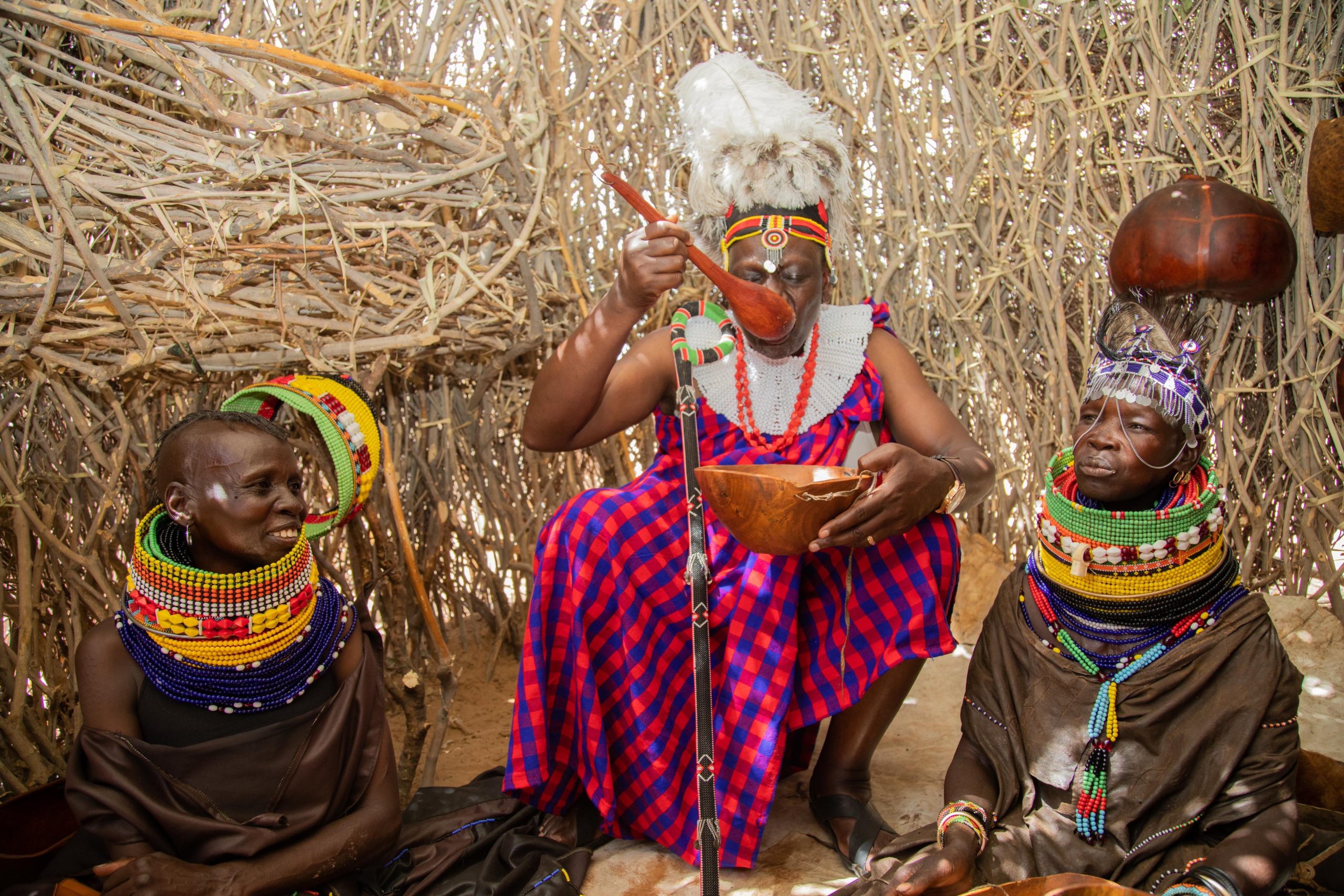
Government development of community tourism, cultural heritage and eco-tourism is creating economic activity around attractions located within Kenyan communities, with local enterprises participating through visitor services, cultural experiences, conservation-linked activities and destination management.
Technical support for community tourism enterprises and development of county tourism products strengthens participation at destination level. Tourism income reaches households and local enterprises through services purchased directly by visitors and through supplies required by businesses operating within the destination.
- Community guides earn from knowledge of wildlife, landscapes, history, culture and heritage. Guiding converts local knowledge into a tourism service purchased directly within the destination.
- Community enterprises earn through visitor services and cultural experiences. These activities create participation points for households and small businesses serving travelers within their own destinations.
- Eco-tourism creates economic activity around wildlife, landscapes and conservation areas. Visitor services linked to natural attractions generate income within communities participating in conservation-based tourism.
Tourism investment is creating economic activity across the counties
Government product diversification is giving county destinations defined tourism assets that can support investment, enterprise development and visitor expenditure. The economic activity generated through these destinations reaches accommodation providers, restaurants, transport operators, guides, retailers, performers and event-service providers.
The development of tourism circuits gives counties defined products that can be packaged and marketed to domestic and international travelers. Local businesses participate through services associated with these circuits, while county attractions generate visitor expenditure within the communities hosting them.
- Cultural festivals generate business within host counties. Accommodation establishments, food vendors, transport providers, performers and traders earn from visitor activity surrounding these events.
- Heritage and nature-based attractions support destination services within surrounding communities. Government development and promotion of these products creates organized tourism activity around locally available assets.
- Sports and adventure tourism generate event-linked expenditure within host destinations. Activities such as the WRC Safari Rally create demand for accommodation, transport, food and event services in regions hosting participants and spectators.
Air Connectivity, MICE and Diversification Are Expanding Kenya’s Tourism Base
Kenya’s stronger air links, conference calendar and broader tourism products show how the administration is converting destination marketing into wider visitor activity. Connectivity brings travelers into the country, MICE fills hotels and event venues with organized travel, and diversification gives visitors more reasons to spend across counties and communities.
- Air access turns source-market promotion into arrivals. Expanded links through Asia, the Middle East and Europe give international campaigns the practical connectivity needed to bring travelers to Nairobi, Mombasa and onward tourism circuits.
- MICE adds a high-value business-travel segment to Kenya’s visitor economy. Major conferences and domestic meetings sustain demand for hotels, venues, transport, catering and professional services beyond conventional leisure travel.
- Diversified tourism products spread visitor spending beyond traditional circuits. Culture, heritage, sports, adventure, cruise, eco-tourism, community and culinary experiences extend tourism activity into more counties and local enterprises.
Conclusion
Tourism now provides a direct channel for converting visitor spending into livelihoods across Kenyan communities. Visitor expenditure supports workers, entrepreneurs, farmers and suppliers through the services, products and experiences required to host travelers throughout the country.
The Bottom-Up Economic Transformation Agenda has strengthened these linkages through destination development, improved connectivity, professional training and participation by local enterprises, giving young Kenyans practical routes into employment and enterprise while enabling communities hosting tourism activity to earn directly from the industry.
Kenya’s tourism agenda is firmly anchored in attracting visitors, strengthening service delivery, creating jobs, growing local businesses and ensuring tourism earnings translate into incomes and opportunities for Kenyan households.